
BIM Services Provider
Architectural, Structural & MEP21 Years of BIM Delivery for AEC Firms Across the US, UK, Canada, and Australia. We are a specialized Building Information Modeling company founded in 2005. For over two decades, we have delivered Architectural, Structural, and MEP BIM services to architects, engineers, general contractors, and construction firms across four major markets.
Autodesk Suite
Revit & Navisworks
ISO 19650
BIM Standard Compliant
What are BIM Services?
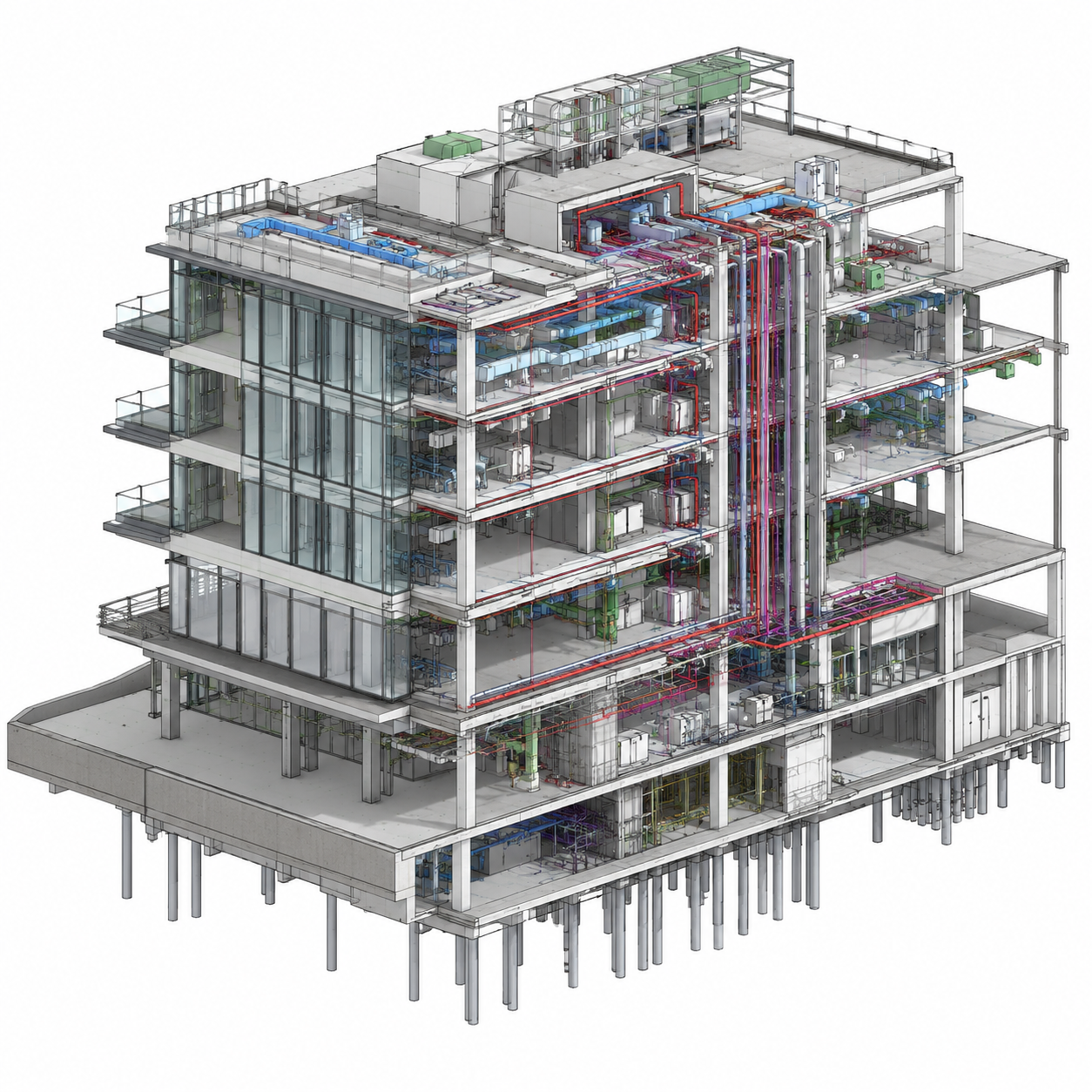
Building Information Modeling is a collaborative, data-driven process where every element in a 3D model carries real information: dimensions, material properties, cost parameters, and coordination geometry. All project disciplines work from the same model simultaneously, which means design errors are caught before construction, coordination happens in the model rather than on site, and documentation is always accurate because it is derived directly from the geometry.
For AEC professionals, BIM reduces RFIs, compresses coordination timelines, and produces drawing sets that are consistent across every sheet and every discipline.
BIM Disciplines We Deliver:
- ✓Architectural BIM
- ✓Structural BIM
- ✓MEP BIM
Our BIM Services
We route, design, model, and coordinate structural and mechanical frameworks with absolute precision.
Architectural BIM Services
We produce intelligent Revit models and coordinated architectural documentation for new build, renovation, and extension projects across all building types. Our team works to your office standards, your BIM Execution Plan, and the submission requirements of your market, delivering models and drawing sets ready for immediate use.
PDF to BIM Conversion
We convert 2D PDF drawings, scanned plan sets, and legacy documentation into fully structured Revit BIM models. Whether your source files are clean PDFs or low-resolution scans, our team extracts all design intent and rebuilds it as a parametric, coordinated model ready for further development, clash detection, or construction documentation.
This service is heavily used on renovation and retrofit projects where existing records exist only in flat PDF or printed format.
What we deliver:
- Revit models built from PDF floor plans, elevations, sections, and details
- LOD 200 to LOD 400 depending on project requirement
- Full architectural elements including walls, doors, windows, roofs, stairs, and finishes
- Model ready for handover, coordination, or drawing production
Typical project types: Residential complexes, commercial offices, healthcare facilities, educational institutions, mixed-use developments.
Structural BIM Services
We deliver Structural BIM modeling for residential, commercial, industrial, and infrastructure projects. Our structural team produces accurate framing models, reinforcement documentation, and coordination-ready geometry that integrates with architectural and MEP models in a federated environment.
Working primarily in Revit Structure, we model all primary and secondary structural elements to the LOD required for your project stage, from early design coordination through to construction-level documentation.
What we deliver:
- Structural framing models for concrete, steel, timber, and composite systems
- Reinforcement modeling and bar bending schedules
- Foundation and substructure modeling
- Structural drawing sets derived directly from the model
- IFC export for multidiscipline coordination and clash detection
- LOD 200 to LOD 400
Federated Integration
All structural models are built to federate cleanly with architectural and MEP models, enabling full multidiscipline clash detection without file compatibility issues.
MEP BIM Services
We model mechanical, electrical, and plumbing systems to construction-level detail, coordinating across all disciplines to eliminate clashes before they become field problems. Our MEP BIM team works in Revit MEP and produces models that are coordination-ready, code-compliant, and built to the LOD your project demands.
MEP CAD to BIM Conversion
We convert existing 2D MEP AutoCAD drawings into fully coordinated Revit MEP models. This includes HVAC ductwork, pipework, electrical conduit and cable trays, plumbing systems, and fire protection layouts, all modeled to match the original design intent while adding the intelligence and coordination capability that BIM provides.
Supported inputs: DWG, DXF, DGN, and scanned CAD drawings.
What we deliver:
- Revit MEP models covering HVAC, electrical, plumbing, and fire protection
- Properly routed system geometry with correct connectors and clearances
- Coordination-ready models for clash detection
- LOD 200 to LOD 350
Why AEC Firms Work With Us
Over two decades of precision delivery, standard-compliant processes, and global scale.
21 Years in the Industry
Founded in 2005, we have been delivering BIM models since the early adoption days of the technology. That depth of experience means we understand not just the software, but the real project pressures, tight programmes, and demanding client standards that come with AEC work.
Full-Discipline BIM Capability
Most BIM providers specialize in one discipline. We deliver across Architectural, Structural, and MEP, which means coordinated federated models come from one team, one workflow, and one point of contact.
Your Standards, Not Ours
We follow your BIM Execution Plan, your office Revit template, and your file naming conventions. Every deliverable is formatted for your workflow.
LOD 100 to LOD 500
We cover the full development spectrum, from early massing models to fully detailed as-built records ready for FM handover.
Built-In Quality Control
Every model goes through a structured QC process before delivery. Clash detection, model audit reports, and drawing coordination checks are standard, not optional extras.
Four-Market Experience
We have delivered BIM projects to clients in the US, UK, Canada, and Australia. We understand the documentation standards, code requirements, and authority submission formats of each market.
BIM Level of Development We Deliver
We develop models to precise LOD specifications from early conceptual drafts to coordinated, fabrication-ready, and field-verified record packages.
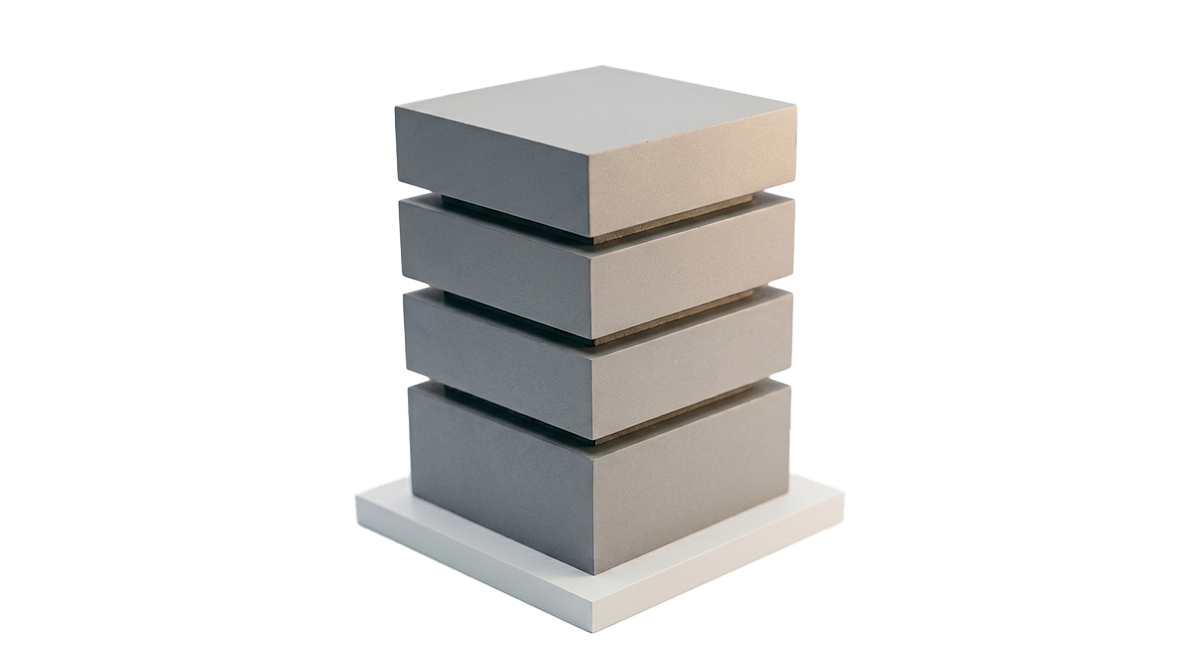
LOD 100 BIM
Conceptual or massing model intended for complete house study, layout, and orientation.
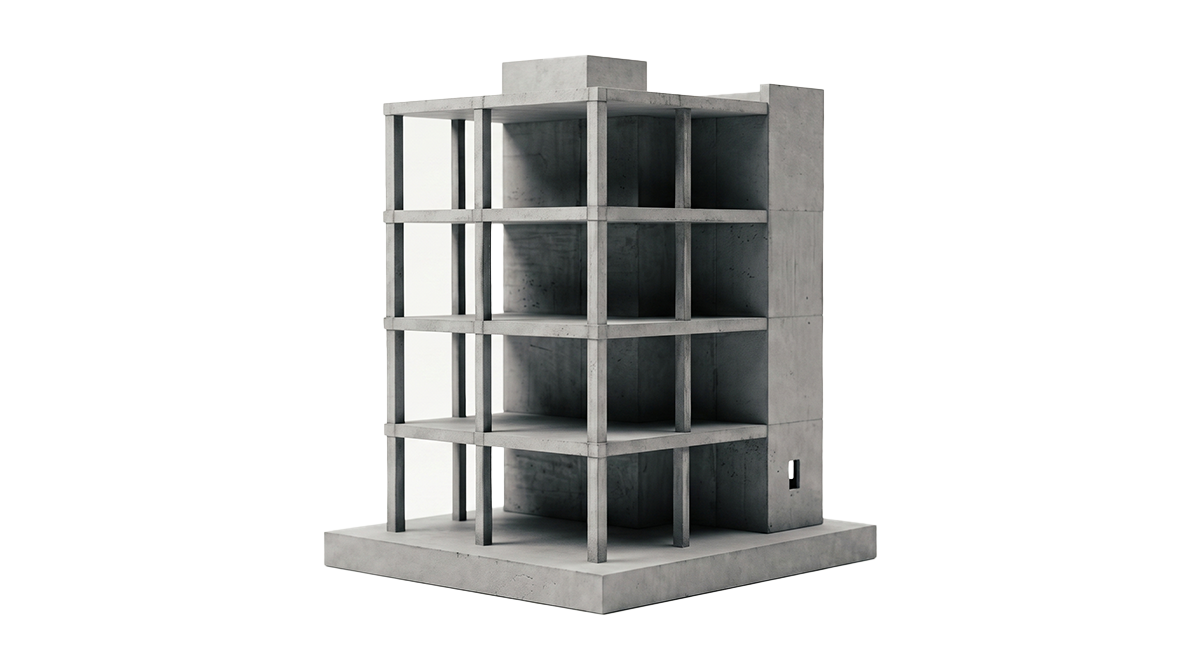
LOD 200 BIM
Common systems design development with approximate volume, shape, location, and orientation.
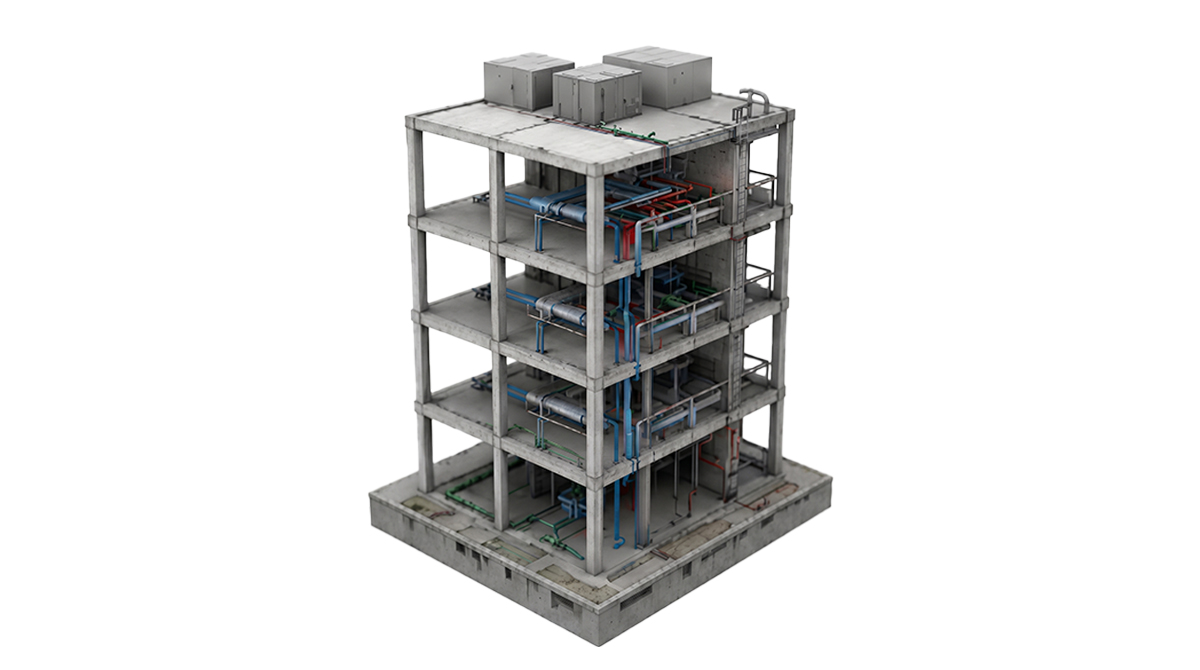
LOD 300 BIM
Pre-construction modeling representing the end of the design phase with precise geometry, orientation, and location.
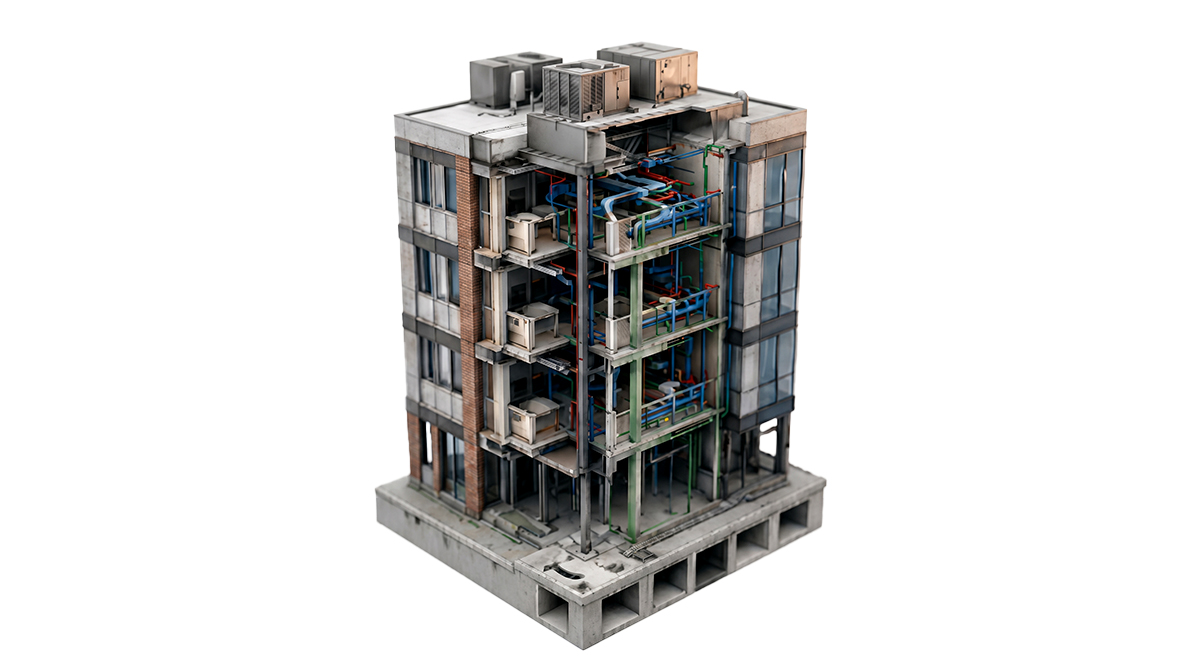
LOD 400 BIM
An accurate model of construction requirements and specific products, ready for fabrication shops and installation crews.
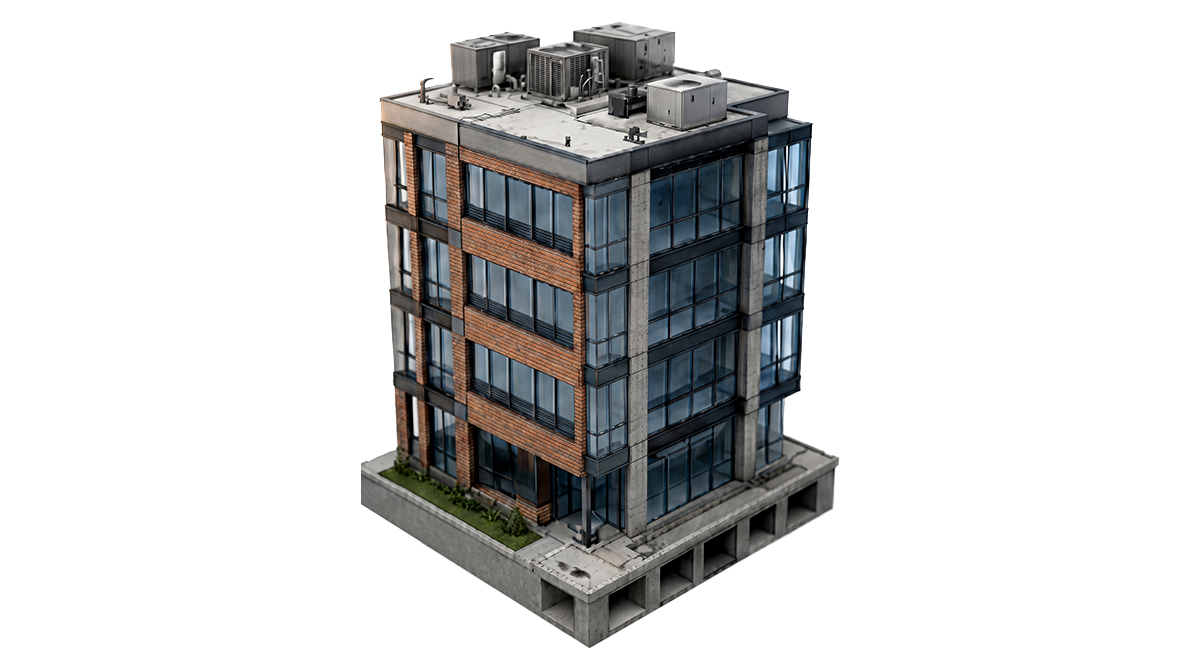
LOD 500 BIM
The 'as-built' model element accurately represents field-verified models matching exact built locations, dimensions, and operational parameters.
Markets We Serve
We calibrate all BIM modeling outputs, notation tags, line weights, templates, and scales to local building requirements.
AIA standards, CSI formats, IBC and local code compliance. We deliver precise BIM models aligned with US documentation requirements.
- AIA Layering Standards
- CSI MasterFormat Classifications
- NCS Standards Compliance
Frequently Asked Questions About BIM Services
BIM services refer to professional Building Information Modeling solutions that help architects, engineers, and construction firms design, coordinate, and document building projects using intelligent 3D models. These services include 3D modeling, clash detection, construction documentation, quantity takeoffs, and as-built modeling, all delivered within platforms like Autodesk Revit and Navisworks.
CAD produces flat 2D drawings with no embedded data. BIM creates an intelligent 3D model where every element carries real information: dimensions, materials, cost data, and system properties. BIM models can be shared across disciplines simultaneously, enabling coordination that 2D CAD simply cannot support. Most AEC firms are migrating from CAD to BIM because BIM reduces errors, cuts rework, and produces more accurate documentation.
LOD stands for Level of Development. It defines how much detail and information a BIM model contains at a given project stage. LOD 100 is a basic conceptual massing model. LOD 300 is a fully coordinated design development model. LOD 400 is fabrication-level detail. LOD 500 is an as-built record model reflecting exactly what was constructed. The LOD required for your project depends on its stage and how the model will be used.
PDF to BIM conversion is the process of taking flat 2D PDF drawings, scanned documents, or printed plan sets and rebuilding them as fully intelligent Revit BIM models. The resulting model is parametric, coordinated, and ready for further design development, clash detection, or construction documentation. It is commonly used for renovation projects where existing records only exist in PDF or printed format.
CAD to BIM conversion involves migrating existing 2D AutoCAD drawings (DWG, DXF, or DGN files) into structured 3D Revit BIM models. The process goes beyond tracing: design intent is interpreted, drafting inconsistencies are resolved, and the model is built with correct Revit families, levels, and parameters. Firms upgrading from a CAD-based workflow to BIM use this service to bring legacy documentation into a modern, coordinated environment.
Clash detection is the process of identifying conflicts between building systems in a federated BIM model before construction begins. Using Autodesk Navisworks, architectural, structural, and MEP models are combined and analyzed for hard clashes (physical intersections) and soft clashes (insufficient clearances). Resolving clashes in the model rather than on site prevents costly rework and construction delays.
As-built BIM modeling is the creation of a LOD 500 Revit model that reflects actual constructed conditions rather than design intent. It is produced after construction using site surveys, marked-up drawings, and point cloud scan data. As-built models are used for facility management, future renovation planning, compliance documentation, and FM handover under standards like COBie.
MEP BIM is the application of Building Information Modeling to mechanical, electrical, and plumbing systems. MEP BIM models contain intelligent 3D geometry for HVAC ductwork, pipework, electrical conduit, cable trays, and plumbing systems. These models coordinate with architectural and structural models to detect clashes, produce accurate quantity takeoffs, and generate construction-ready installation drawings.
Structural BIM is the application of Building Information Modeling to structural engineering. It involves creating 3D models of structural framing systems, foundations, reinforcement layouts, and connections in Revit Structure. Structural BIM models integrate with architectural and MEP models for multidiscipline coordination and clash detection, and can generate reinforcement schedules, bar bending schedules, and structural drawing sets directly from the model.
BIM service costs depend on four main factors: the discipline (Architectural, Structural, or MEP), the LOD required, the project size and complexity, and the deliverables needed. A simple PDF to BIM conversion for a small residential project costs considerably less than a full LOD 400 MEP coordination package for a commercial building. The most accurate way to get a cost is to share your drawings and scope, and receive a project-specific quote with a clear breakdown of deliverables, milestones, and revision rounds.
Yes. We are experienced with BS EN ISO 19650 requirements, including Common Data Environment protocols, Information Delivery Milestones, and BIM Execution Plan compliance. We have delivered projects requiring full UK BIM Framework compliance for clients in the United Kingdom.
Our primary platforms are Autodesk Revit (for Architectural, Structural, and MEP modeling), Autodesk Navisworks (for clash detection and coordination), and AutoCAD (for 2D documentation where required). We also produce IFC exports for interoperability with other BIM software and deliver COBie-compliant data for FM handover.
Ready to Start Your BIM Project?
We have been in this industry since 2005. Over 21 years, we have built a reputation for accuracy, reliable turnaround, and deliverables that do not need to come back for rework.
Share your drawings with us. We will review the scope, ask the right questions, and give you a clear timeline and deliverable list. No vague estimates. No surprises.