
BIM for Renovation and Retrofit Phased Existing + Proposed Modeling Services
Get accurate phased BIM models for your renovation and retrofit projects — from existing conditions scanning to proposed design overlay across Architectural, Structural, and MEP disciplines.
What Is BIM for Renovation and Retrofit?
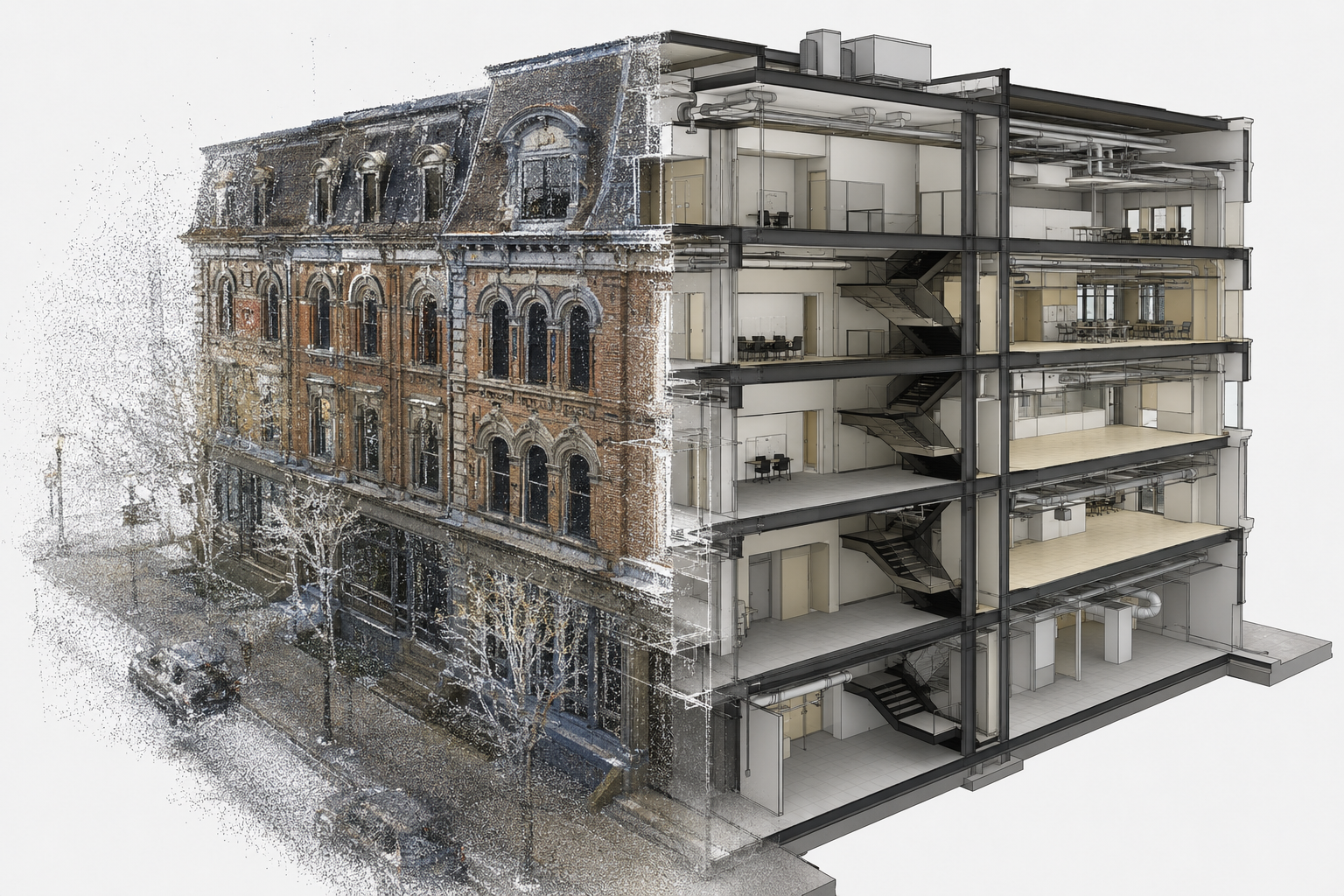
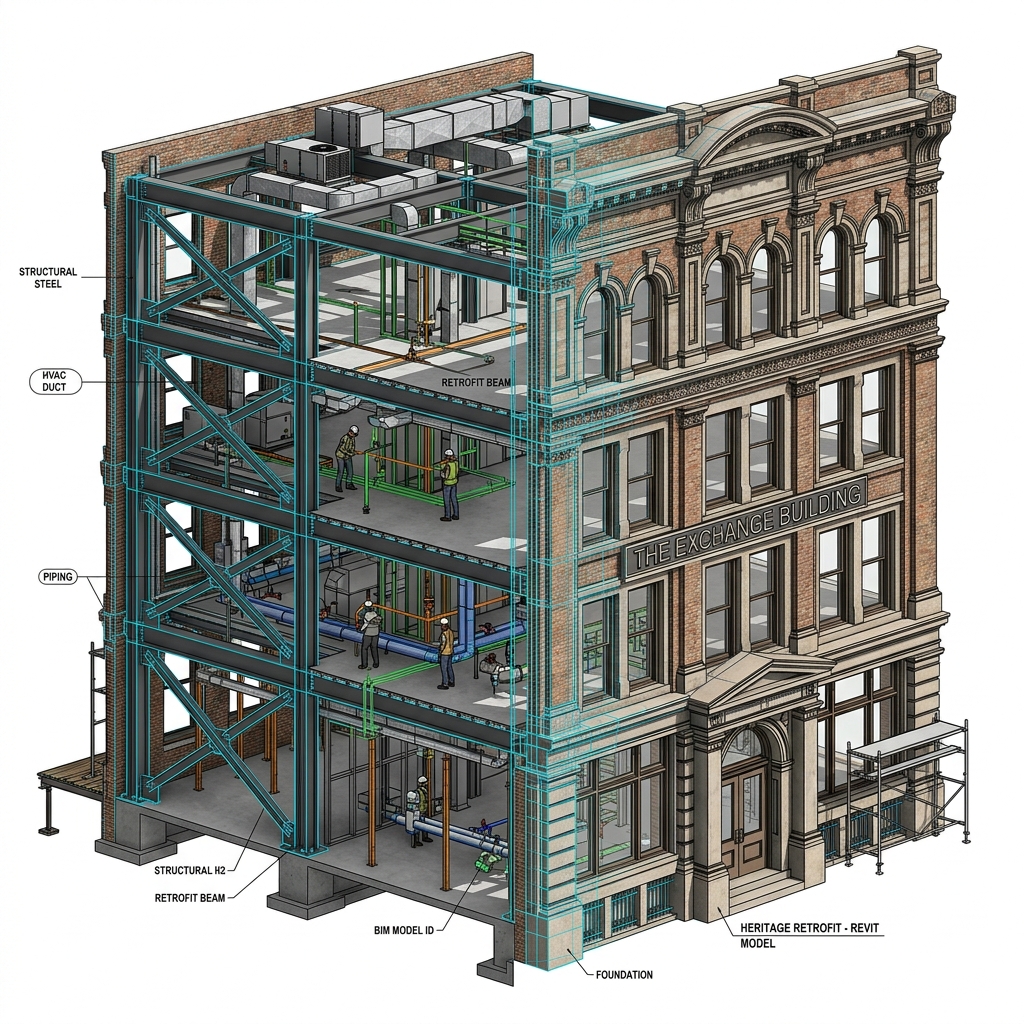
BIM for renovation and retrofit is the process of creating phased Building Information Models that document existing building conditions and overlay proposed design changes within a single coordinated Revit environment. Unlike new build BIM projects that start with a blank canvas, renovation BIM begins with the reality of an existing building — complete with all its irregularities, undocumented changes, and inherited constraints.
The process starts with laser scanning the building to capture precise existing geometry. This data is then modeled in Revit at LOD 200-300 to create an accurate existing conditions model. The proposed design is then overlaid as a separate phase, allowing architects, engineers, and contractors to coordinate new elements with existing fabric in a clash-free environment.
This phased modeling approach gives project teams the information they need to plan refurbishment, assess feasibility, coordinate trades, and deliver projects with cost and programme certainty.
What sets renovation BIM apart from standard scan-to-BIM:
- Phased modeling approach: Existing conditions and proposed design in one model
- Design overlay capability: New elements coordinated with existing fabric
- Risk reduction: Unforeseen conditions identified before construction
- Feasibility assessment: Change of use and retrofit options evaluated
"BIM for renovation projects is not about starting from scratch — it is about working with what exists, understanding its constraints, and designing intelligently within them."
Why Choose BIM for Your Renovation Project?
Renovation projects present unique challenges that new build projects do not face. The building you are working on already exists. It may have been modified over decades. Drawings may be inaccurate or non-existent. Services may have been rerouted. Structural elements may have been altered.
BIM addresses these challenges by providing a comprehensive, accurate digital representation of the building, combined with the proposed design overlay.
Accurate Existing Conditions Documentation
Before any design work can begin, you need to understand exactly what exists. Laser scanning captures the building in millimetre-accurate detail, creating a point cloud that serves as the geometric foundation for your renovation model.
Our team models the existing building in Revit at LOD 200-300, capturing:
- Architectural fabric: Walls, floors, ceilings, doors, windows, and finishes
- Structural elements: Columns, beams, foundations, and framing
- MEP services: HVAC ductwork, pipework, cable trays, and plant equipment
- Irregular geometry: Non-standard conditions, heritage features, and site-specific constraints
Phased Design Development
With the existing conditions model as a baseline, we overlay the proposed design as a separate phase. This approach allows you to:
- Visualise the proposed design in the context of the existing building
- Coordinate new elements with existing structure and services
- Test design options and assess feasibility before committing
- Communicate design intent to stakeholders and contractors
Clash-Free Coordination
Coordinating new elements with existing fabric is one of the greatest challenges in renovation projects. Our phased BIM models enable:
- Clash detection between new and existing elements
- Coordination of structural penetrations and service routes
- Visualisation of construction sequencing and phasing
- Reduction of site-based rework and programme delays
Cost and Programme Certainty
Renovation projects are notorious for cost and programme overruns. Unforeseen conditions discovered during construction can derail even the best-planned projects. BIM helps mitigate this risk by:
- Identifying constraints before construction begins
- Reducing design uncertainty through accurate existing conditions data
- Enabling prefabrication through coordinated, clash-free models
- Supporting accurate quantity take-offs and cost planning
Our BIM for Renovation and Retrofit Process
We follow a structured process to deliver phased renovation models that meet your project requirements.
Scan Data Collection and Site Verification
The process begins with capturing the existing building in accurate detail. We work with: • Laser scan data: E57, RCP, LAS formats from Leica, FARO, Trimble scanners • Site photography: Images capturing materials, details, and site conditions • Existing documentation: Drawings, surveys, and historical records If your project does not include scan data, we can arrange the survey or work from your existing documentation. Our team reviews all source data and flags any gaps that may affect the model.
Existing Conditions BIM Model (LOD 200-300)
The point cloud data is processed and used to build the existing conditions model in Revit. This model captures the building as it exists, at the level of detail appropriate for your renovation planning: • LOD 200: Conceptual massing for early feasibility assessment • LOD 300: Precise geometry for design development and coordination The existing conditions model serves as the baseline from which all design work develops.
Proposed Design Overlay (LOD 300-350)
With the existing conditions model complete, we overlay the proposed design as a separate Revit phase. This approach allows the existing and proposed elements to be viewed independently or together, depending on the project stage. The proposed design overlay captures: • New architectural elements: Partitions, finishes, and building fabric changes • Structural modifications: New openings, strengthening, and demolition • MEP upgrades: New services, rerouting, and plant replacement
Phased Model Development
The phased model brings the existing conditions and proposed design together in a single coordinated environment. This approach enables: • Visualisation of the building before and after renovation • Coordination between existing and proposed elements • Construction sequencing and phasing planning
Coordination and Clash Detection
The phased model is reviewed for clashes between new and existing elements. Our team uses Navisworks to identify: • Hard clashes: Physical interference between elements • Soft clashes: Spatial or tolerance conflicts.
Deliverables and Client Review
The final deliverables are issued for client review and sign-off. We provide: • Phased Revit model (.RVT) showing existing and proposed phases • IFC export for open BIM compatibility • Navisworks cache (.NWC) for coordination review • Clash detection report (.PDF) • 2D drawing extracts (plans, sections, elevations) on request
Renovation BIM Deliverables
| Deliverable | Format | Purpose |
|---|---|---|
| Existing Conditions Model | .RVT | Baseline documentation of existing building |
| Proposed Design Overlay | .RVT | Design development overlay |
| Phased Revit Model | .RVT | Complete existing + proposed in one file |
| IFC Export | .IFC | Open BIM interoperability |
| Navisworks Model | .NWC | Coordination and review |
| Clash Detection Report | .PDF | Issues log and resolution tracking |
| 2D Drawings | .DWG, .PDF | Documentation and compliance |
Types of Renovation Projects We Support
Building Refurbishment
Full or partial refurbishment of existing buildings — from office fit-outs to complete building overhauls. Our BIM models support the entire refurbishment process, from feasibility assessment to construction coordination.
Change of Use
Converting buildings from one use to another — such as office to residential, retail to hospitality, or industrial to commercial. BIM enables feasibility assessment, regulatory compliance, and spatial coordination for change of use projects.
Sustainable Retrofit
Improving building energy performance through insulation, glazing, and services upgrades. Our models support retrofit feasibility, coordination of new services, and performance modelling.
Heritage Renovation
Renovating listed buildings and structures in conservation areas. We specialise in modelling irregular, non-standard geometry and working with conservation constraints.
Industries We Serve
We provide tailored drafting and modeling solutions across diverse construction sectors.
Commercial Real
Estate
High-precision models and coordination for corporate towers and office complexes.

Healthcare
Facilities
Specialized layout plans meeting stringent medical coding and airflow regulations.

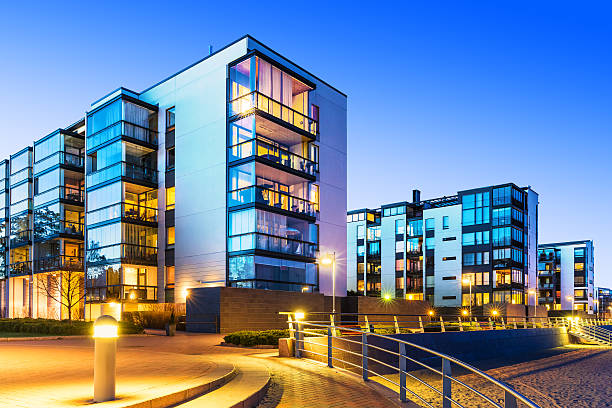
Residential
High-Rises
Smart 3D drafting and structural layouts optimized for modern urban living.

Industrial
Plants
Complex piping, equipment layout modeling, and steel structure detailing.

Educational
Institutions
Scalable BIM models for universities, schools, and state-of-the-art campus facilities.
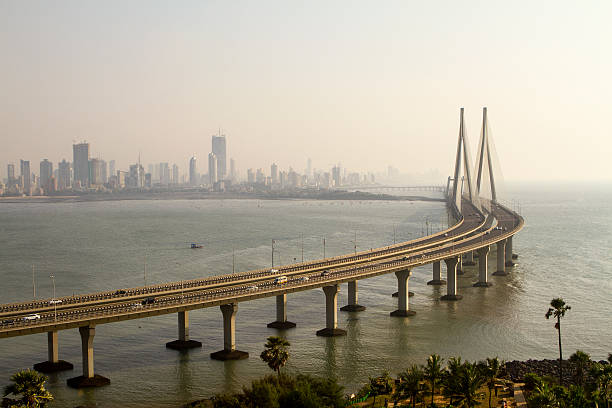
Infrastructure
& Bridges
Heavy civil structural drawings, reinforcement models, and highway layouts.
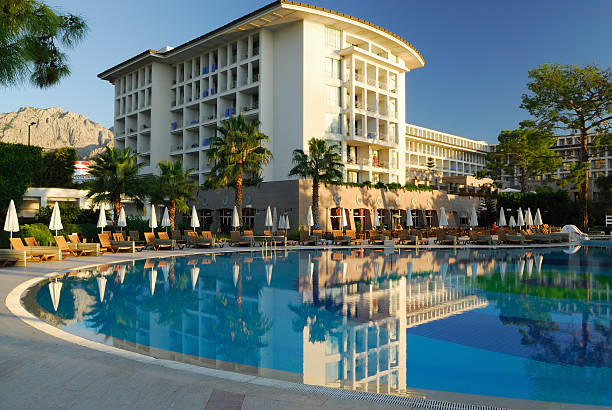
Hospitality
& Hotels
Interior rendering and shop drawings for premium hotels, resorts, and suites.
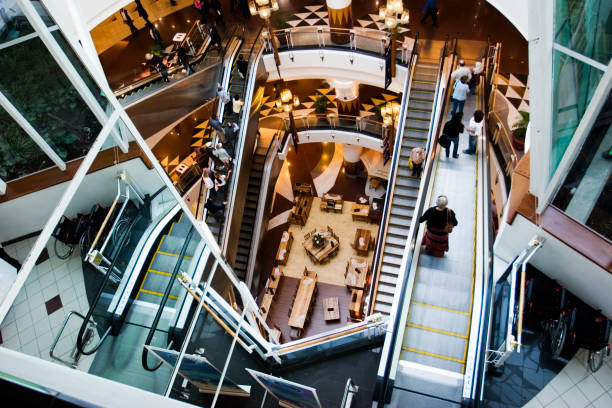
Retail
Complexes
Storefront detailing, cladding mockups, and MEP plans for multi-brand retail outlets.
Software and Technology Stack
We maintain current software subscriptions and update our workflows with each major release.
| Software | Role in Workflow |
|---|---|
| Autodesk Revit | Primary BIM modeling environment |
| Autodesk ReCap Pro | Point cloud processing and registration |
| Navisworks Manage | Clash detection and coordination review |
| Autodesk BIM 360 / ACC | Cloud collaboration and model coordination |
| Leica Cyclone Register 360 | High-accuracy scan registration |
| CloudCompare | Point cloud QA and analysis |
Why Choose Us for BIM Renovation Services?
Expert BIM Consultants
Our entire team works within the BIM environment — Revit, Navisworks, ReCap. We do not reassign CAD drafters to BIM projects. Every team member holds relevant certification.
Phased Modeling Specialists
We understand the unique requirements of renovation projects. Our expertise in phased modeling ensures your existing conditions and proposed design are coordinated and clash-free.
Quality Assurance
Every model undergoes formal QA review before delivery. Our process includes:
- Model-to-source verification: Elements checked against scan data
- Phased model review: Existing and proposed elements verified
- Clash detection: Coordination review in Navisworks
- Client review: Walkthrough before final delivery
Project Experience
We have delivered BIM models for hundreds of renovation and retrofit projects across commercial, healthcare, industrial, and institutional sectors. Our portfolio includes projects of every scale and complexity.
Case Studies
Commercial Office Refurbishment — London
Project scope: Phased BIM model for the refurbishment of a 150,000 sq. ft. office building, including full MEP upgrade and change of use from office to mixed-use.
Deliverables: Existing conditions model (LOD 300), proposed design overlay (LOD 350), clash detection report.
Outcome: 42 hard clashes identified and resolved before construction, reducing programme delay by 8 weeks.
Healthcare Facility Upgrade — England
Project scope: Phased BIM model for the renovation of a hospital wing, including new patient rooms and upgraded MEP services.
Deliverables: Existing conditions model (LOD 300), proposed design overlay (LOD 350), coordination drawings.
Outcome: Infection control route planning enabled. Renovation completed 3 weeks ahead of schedule.
Heritage Building Renovation — Australia
Project scope: Phased BIM model for the renovation of a listed heritage building in Sydney, including structural strengthening and MEP upgrading.
Deliverables: Existing conditions model (LOD 300), proposed design overlay (LOD 300), heritage compliance documentation.
Outcome: Planning authority approval secured. Heritage fabric preserved while MEP upgrading achieved.
Quality Assurance
Accuracy is critical in renovation BIM. A model that does not faithfully represent the existing building creates design risk and coordination issues.
Our QA process ensures every model meets project requirements:
- Model-to-source verification: Elements checked against scan data for dimensional accuracy and correct positioning.
- Phased model review: Existing and proposed phases verified independently and together.
- Clash detection: All models reviewed for clashes between existing and proposed elements.
- Client review: We provide a walkthrough of the model for your review and feedback.
ISO 9001 Compliance
Our QA process is aligned with ISO 9001 quality management principles.
Frequently Asked Questions — BIM for Renovation and Retrofit
BIM for renovation and retrofit is the process of creating phased Building Information Models that document existing building conditions and overlay proposed design changes in a single coordinated environment. The process starts with laser scanning the existing building, creating an existing conditions model, and then overlaying the proposed design as a separate phase.
Renovation BIM starts with an existing building that must be scanned and modeled before any design work begins. New build BIM works from a design concept created before construction. Renovation BIM requires phased modeling (existing + proposed) and often deals with irregular, non-standard geometry that new build projects do not encounter.
Phased BIM modeling is the approach of representing different stages of a project within a single Revit model using phases. For renovation projects, this means creating an "Existing" phase that documents the building as it stands, and a "Proposed" phase that shows the design overlay. This allows the existing and proposed elements to be viewed independently or together.
Existing conditions models are typically delivered at LOD 200-300, depending on the project requirements. Proposed design overlays are typically delivered at LOD 300-350. The specific LOD is agreed at project inception based on your downstream use case.
Scan data is the most accurate foundation for renovation BIM projects. However, if scan data is not available, we can work from existing documentation, site photos, and surveys. The accuracy of the model will depend on the quality of the source data. We can advise on the most suitable approach for your project.
Standard deliverables include the phased Revit model (.RVT), IFC export, Navisworks cache file (.NWC), and clash detection report. Additional deliverables — including 2D drawings, COBie data, and asset information — are available on request.
Yes. We specialise in heritage building renovation through our dedicated Heritage and Historic Building BIM service. Heritage projects require specialist handling of irregular, non-standard geometry, and often involve conservation constraints. Our team has extensive experience in this area.
Costs depend on building size, complexity, LOD requirements, and deliverables. We provide fixed-price quotes within 24 hours of receiving your project brief. For large or complex projects, we offer a free pilot model on a sample area.
Project timelines vary based on building size, complexity, and source data quality. Typical durations range from 2-6 weeks for small to medium buildings, and 4-8 weeks for large or complex projects. We provide a project-specific schedule with every quote.
Start Your Renovation BIM Project Today
Accurate existing conditions documentation is essential for successful renovation projects. Our phased BIM models provide the coordinated, clash-free environment your team needs to plan refurbishment, assess feasibility, and deliver with confidence.
For large or complex projects, we offer a free pilot model on a sample area before project commitment — so you can verify model quality and accuracy before placing the full order.
Contact us today for a free consultation and project quote.